Louvre guide
Paris Museum Pass for the Louvre 2026: How It Works & Break-Even
Does the Paris Museum Pass pay off for Louvre visitors? Prices, hour-counted rules, the free timed-slot reservation, and honest break-even math for 2026.
Last updated: September 25, 2026
How the pass works at the Louvre specifically
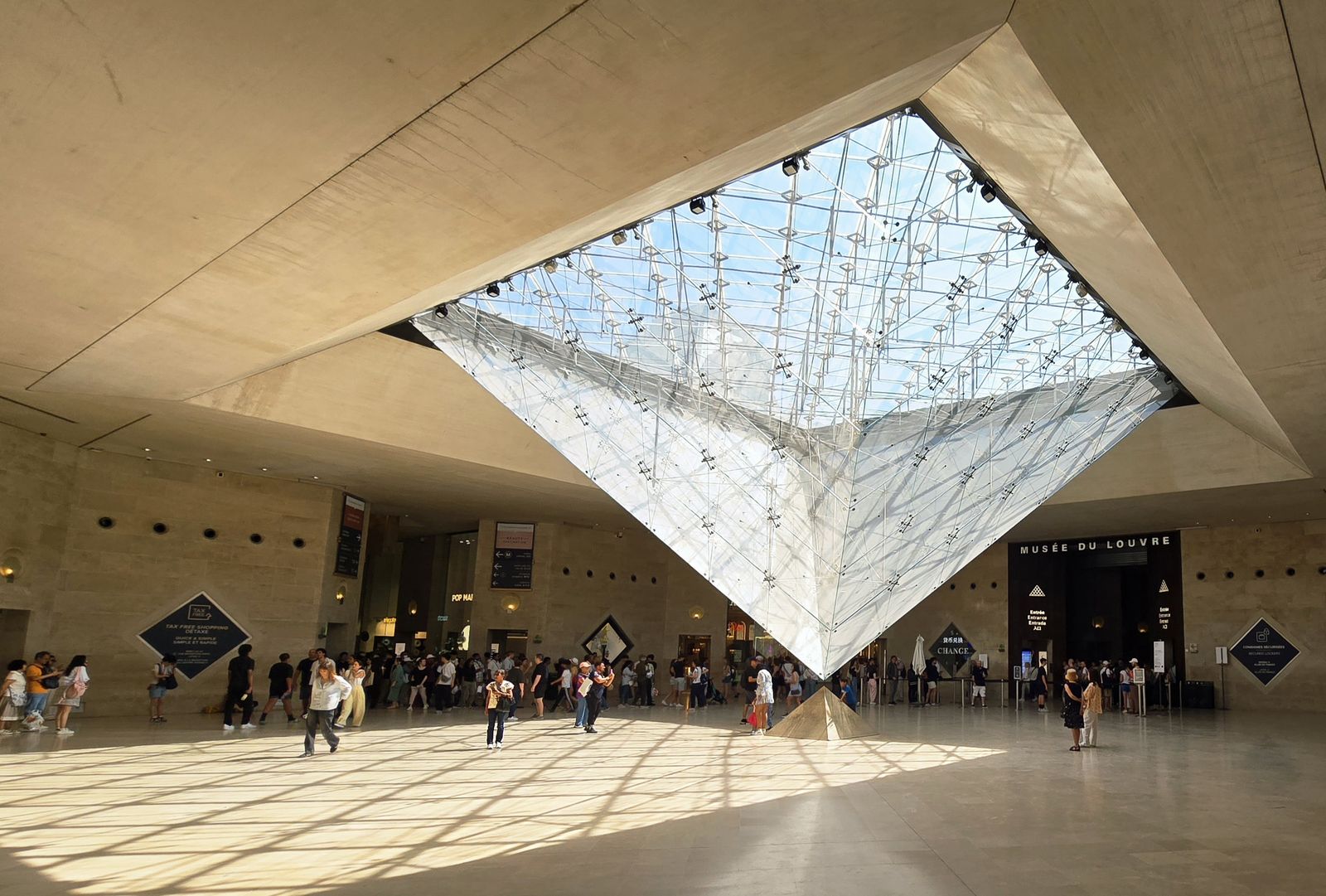
The Paris Museum Pass covers your Louvre admission, a €32 (≈$36) value for non-EEA visitors, €22 (≈$25) for EEA residents. That's the simple part.
The part people miss: the pass is not a reservation. Louvre entry runs on timed slots, and pass holders must reserve a free one via the link on parismuseumpass.fr before visiting. This is the official wording, and it's worth reading twice:
"Only reserving a time slot can guarantee access." Without one, entry on busy days "can sometimes be very long, or even impossible."
So: buy the pass, then book your Louvre slot. Don't show up with just the pass on a busy Saturday and expect to walk in.
For the entry basics, see Louvre tickets 2026. For timing strategy, best time to visit.
Prices and durations
| Pass | Price | Validity |
|---|---|---|
| 2-day | €85 (≈$96) | 48 consecutive hours |
| 4-day (best seller) | €105 (≈$119) | 96 consecutive hours |
| 6-day | €125 (≈$141) | 144 consecutive hours |
The mechanics, straight from the official site:
- Counted in hours, not days. 48h means 48 hours from your first scan, buy Tuesday morning and it runs through Thursday morning. You cannot pause the clock.
- Activates on first entry, not on purchase. Buying early is fine.
- One entry per site. You can't revisit the same museum twice on one pass.
- Permanent collections only. Temporary exhibitions may need a separate ticket.
- Not refunded.
Buy it direct
Purchase through the official channels: the e-ticket online (delivered by email), the Tourism Information Points at Charles de Gaulle and Orly airports, or Disneyland Paris (Marne-la-Vallée). The official site notes that "service fees are applied in certain sales networks", buying direct avoids them. No third-party markup is worth it for a product you can buy from the source.
Break-even math (official prices)
The honest test: add up what you'd pay without the pass. Official anchors:
| Site | Without the pass |
|---|---|
| Louvre | €32 (non-EEA) / €22 (EEA) |
| Versailles Palace | €25 (≈$28) low season / €35 (≈$40) high season (Apr–Oct) |
| Sainte-Chapelle | €22 |
| Arc de Triomphe | €22 |
| Musée d'Orsay | €16 (≈$18) |
| Hôtel de la Marine | €17 (≈$19) |
The worked example (non-EEA visitor, high season): Louvre €32 + Versailles €35 + Sainte-Chapelle €22 = €89, already above the €85 two-day pass, and you still have two days of entries left.
Two things push the math further:
- Dual pricing applies elsewhere too. In 2026, the non-EEA surcharge also applies at Versailles and Sainte-Chapelle, so for non-EEA visitors, the pass pays off faster than the headline numbers suggest.
- The 4-day pass at €105 is the best-seller for a reason: a normal Paris trip easily fills four days with two to three paid sites a day.
Who should skip it
- Under-18s, free at most Paris museums anyway. Buying the pass for them is buying something they don't need.
- EEA residents under 26, free at the national museums (Louvre, Orsay, Versailles, and others) with ID. The pass rarely pays off.
- One- or two-museum trips, if the Louvre is your only paid sight, a standard timed ticket is cheaper.
- Anyone counting on the Centre Pompidou, it's closed for renovation works in 2026 (expected until ~2030) and excluded from the pass.
Other sites that need a free reservation
The Louvre isn't the only pass site where you must book ahead. Reserve free timed slots for:
- Musée d'Orsay, like the Louvre, essentially mandatory on busy days.
- Versailles (Palace only), reserve for the palace; the gardens and Trianon have their own rhythm.
- Conciergerie + Sainte-Chapelle, Sainte-Chapelle's capacity is small; book.
- Notre-Dame Towers, limited slots, reserve.
- Musée de l'Orangerie, the Monet water-lily rooms; small museum, reserve ahead.
- Hôtel de la Marine, reserve for timed entry.
The pattern: the more famous the site, the more the reservation matters. Book all of these when you plan your Louvre slot, not after.
Sources checked September 2026: parismuseumpass.fr (official); louvre.fr; en.chateauversailles.fr. Individual site prices change, verify before you travel.
Frequently asked questions
Does the Paris Museum Pass include the Louvre?
Yes, the pass covers Louvre admission. But you must still reserve a free timed slot via the link on parismuseumpass.fr/en/reservation. The official wording is clear: only reserving a time slot can guarantee access; without one, entry on busy days can be very slow or even impossible.
How much does the Paris Museum Pass cost?
€85 (≈$96) for 2 days (48 hours), €105 (≈$119) for 4 days (96 hours), €125 (≈$141) for 6 days (144 hours). The clock runs in consecutive hours from your first scan, cannot be paused, and the pass allows one entry per site, permanent collections only.
When does the Paris Museum Pass pay for itself?
Faster than many visitors expect, especially for non-EEA visitors paying the dual-pricing surcharge. Louvre (€32) + Versailles (€35 high season) + Sainte-Chapelle (€22) = €89, already above the €85 two-day pass.
Do I need to reserve anything with the Museum Pass besides the Louvre?
Yes, several sites need a free reservation: Musée d'Orsay, Versailles (Palace only), the Conciergerie + Sainte-Chapelle, the Notre-Dame Towers, the Musée de l'Orangerie, and the Hôtel de la Marine. Details below.
Is the Museum Pass worth it if I'm under 26?
Usually not. Under-18s are free at most Paris museums anyway, and EEA residents under 26 are free at the national museums. The pass pays off only when you're paying full adult admission at several sites.
Related guides
Louvre Tickets 2026: Timed Entry, Prices & Sold-Out Guide
Which Louvre ticket to buy, what it costs, and your backup plan when official slots are gone.
Updated October 19, 2026
Louvre Guided Tours 2026: When a Tour Beats DIY
When a Louvre tour is worth it, and what it actually includes (and doesn't).
Updated October 19, 2026
Louvre tickets 2026: prices, hours & how to book
Prices, hours, timed slots, and free-entry rules for the Louvre in 2026, all in one place.
Updated September 22, 2026
Best time to visit the Louvre: crowds, seasons & quietest hours
Evening openings and 9 AM arrivals beat the crowds; February and October beat the seasons.
Updated September 25, 2026
Note: LouvreInsider is an independent travel information site and is not affiliated with the Musée du Louvre or any French government body. Always verify prices, hours, and entry rules on the official louvre.fr before your visit.